Leading UX decisions that repositioned a low trust health brand and drove 400% revenue growth
Problem
Low trust brand in a sensitive market, affected by credibility crisis, counterfeit products, and aggressive communication that pushed users away.
Solution
UX repositioned as a trust driver through education, transparency, and expectation setting, aligning product, experience, and brand credibility.
Results
Over 400% growth in monthly revenue
50% increase in conversion rate
10.5% increase in average order value
367% growth in monthly traffic
Team




My role
UI UX Designer
Process definition, team structuring, and connection between UX and business metrics
Timeline
May '22 - Sep '22 (≈ 18 weeks)
Context
This project focused on repositioning 100PESO, a Brazilian health and wellness ecommerce brand specialized in natural weight loss supplements. Even with a product proven to be effective, the brand faced a critical challenge around perception and trust in a highly sensitive and competitive market.
The main product was a capsule based supplement made with natural ingredients. Growth was limited not by demand, but by lack of trust. Users questioned the brand credibility, product safety, and the realism of its promises.
I worked as the UI UX Designer responsible for aligning user experience, communication, and business goals. The project required a strategic approach that connected the physical product, the digital experience, and the brand narrative, with a clear focus on rebuilding credibility and enabling sustainable growth.
Problem
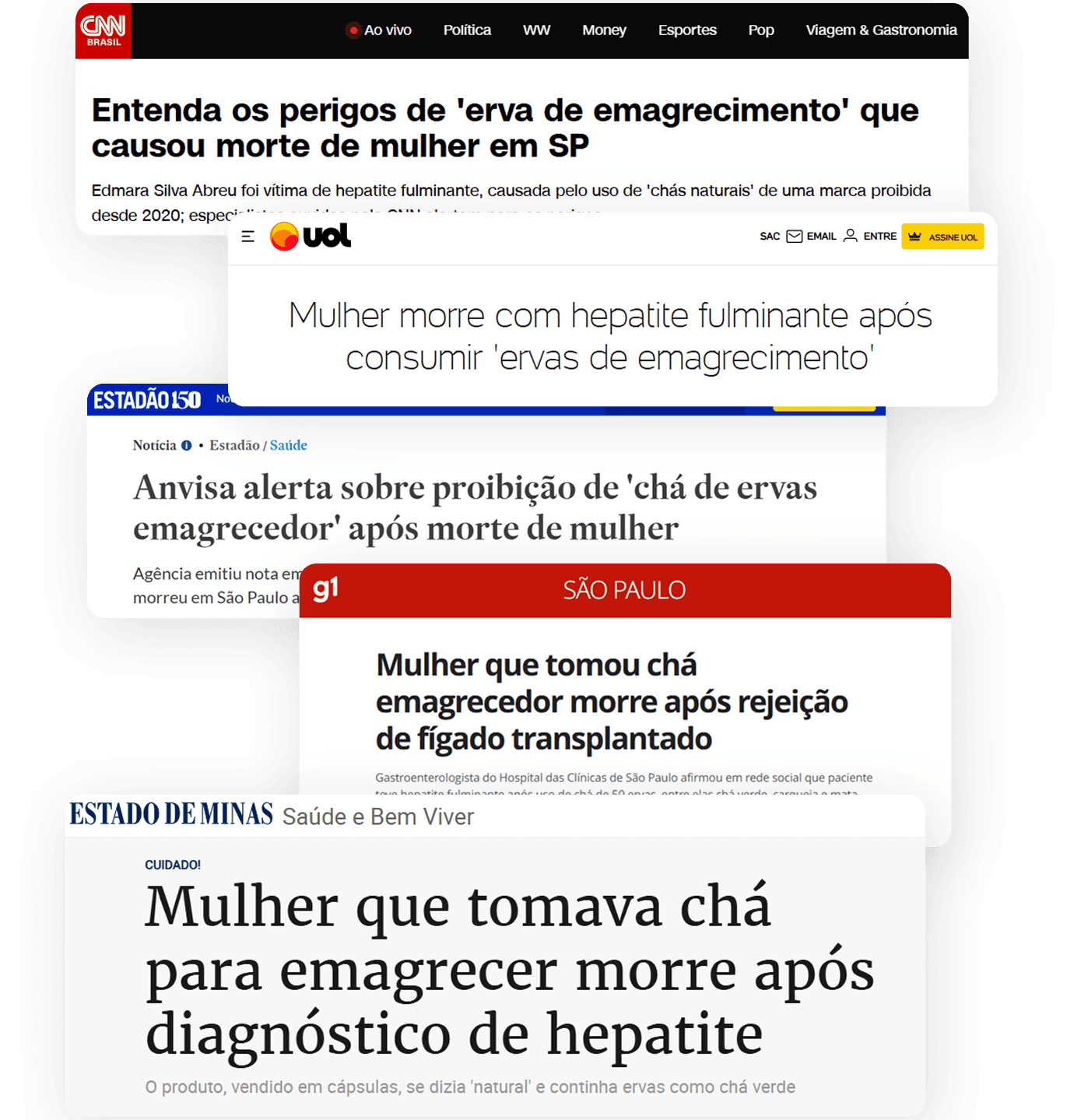
The challenge went beyond conversion. It was about trust. The weight loss supplement market was going through a credibility crisis, driven by frequent reports of unsafe formulas and health risks. Even without direct involvement in these issues, 100PESO was affected by this broader negative perception.
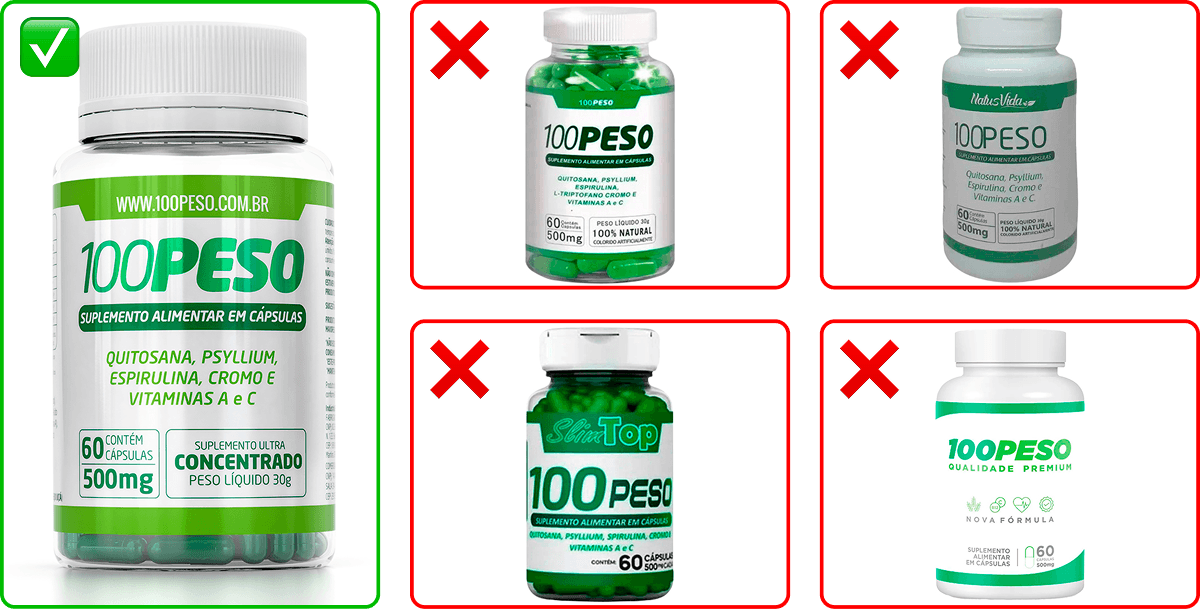
The brand also faced a serious counterfeiting problem. Unauthorized products were being sold as originals, without quality control or regulatory approval. This put consumers at risk and further damaged trust.
Internally, there was a clear mismatch with the evolving consumer profile. Visual and digital communication was aggressive, promise heavy, and poorly educational. For a more informed and critical audience, this caused immediate rejection. The challenge was to rebuild trust without harming commercial performance.
Solution
The key decision was to treat UX as a credibility driver, not just a usability layer. Instead of pushing sales, the focus shifted to education, expectation setting, and transparency across the entire experience.
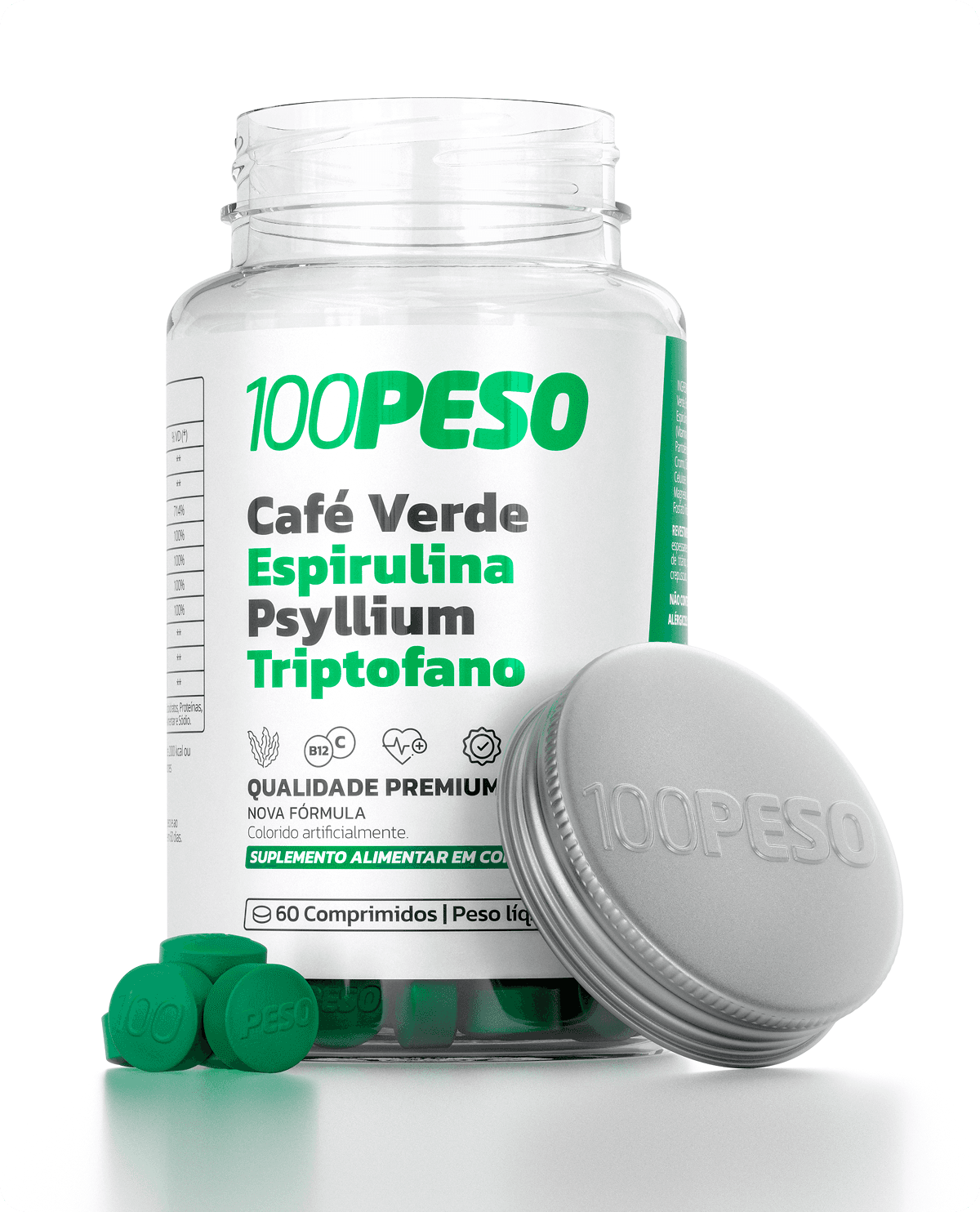
The experience was redesigned to make it easy to identify the original product, clearly explain ingredients, dosage, and safety, and set realistic expectations about how results are achieved. The goal was not to sell quick fixes, but to build a long term relationship based on responsibility and clarity.
Every design and communication decision aimed to reduce doubt, strengthen trust, and position the brand as a partner in the user journey, not another empty promise in the market.
Process
The process started by listening closely to the people closest to users. I worked directly with the customer support team to map recurring questions, frustrations, and behavior patterns. Three key issues stood out. Difficulty identifying the original product, insecurity about ingredients and usage, and frustration caused by short term purchases with limited results.
Based on these insights, I made decisions that connected product, experience, and commercial strategy. One important trade off was choosing a less aggressive communication approach, even knowing it could reduce conversion in the short term. The decision favored more sustainable growth and lower churn.
All decisions considered regulatory constraints, user emotional context, and brand reputation risk. UX moved beyond interface design and began guiding brand positioning.
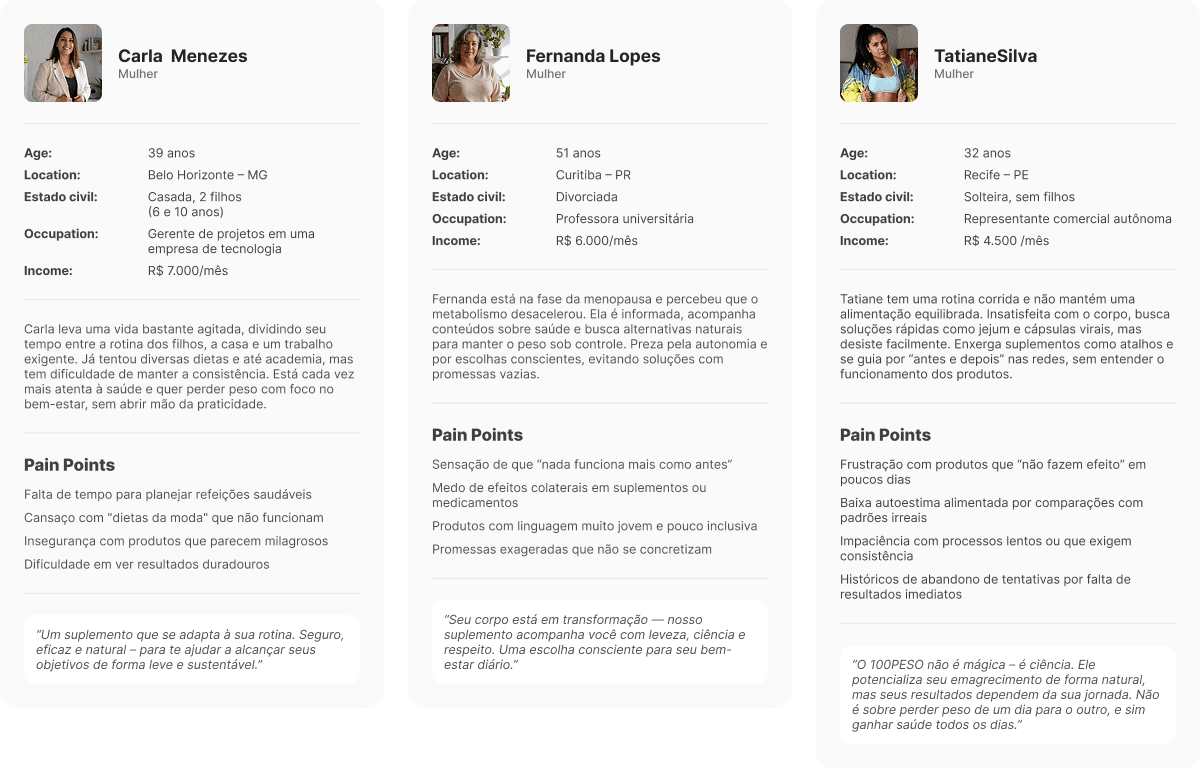
Trust strategy
To better align expectations and outcomes, a 90 day treatment program with a money back guarantee was introduced. This encouraged correct product usage and reduced frustration caused by unrealistic short term expectations.
The brand also began offering follow up support with in house nutritionists. This reinforced a positioning of care, education, and responsibility, transforming the purchase into an ongoing support relationship.
These initiatives reduced friction, increased satisfaction, and strengthened the brand position as a trusted partner in the user health journey.
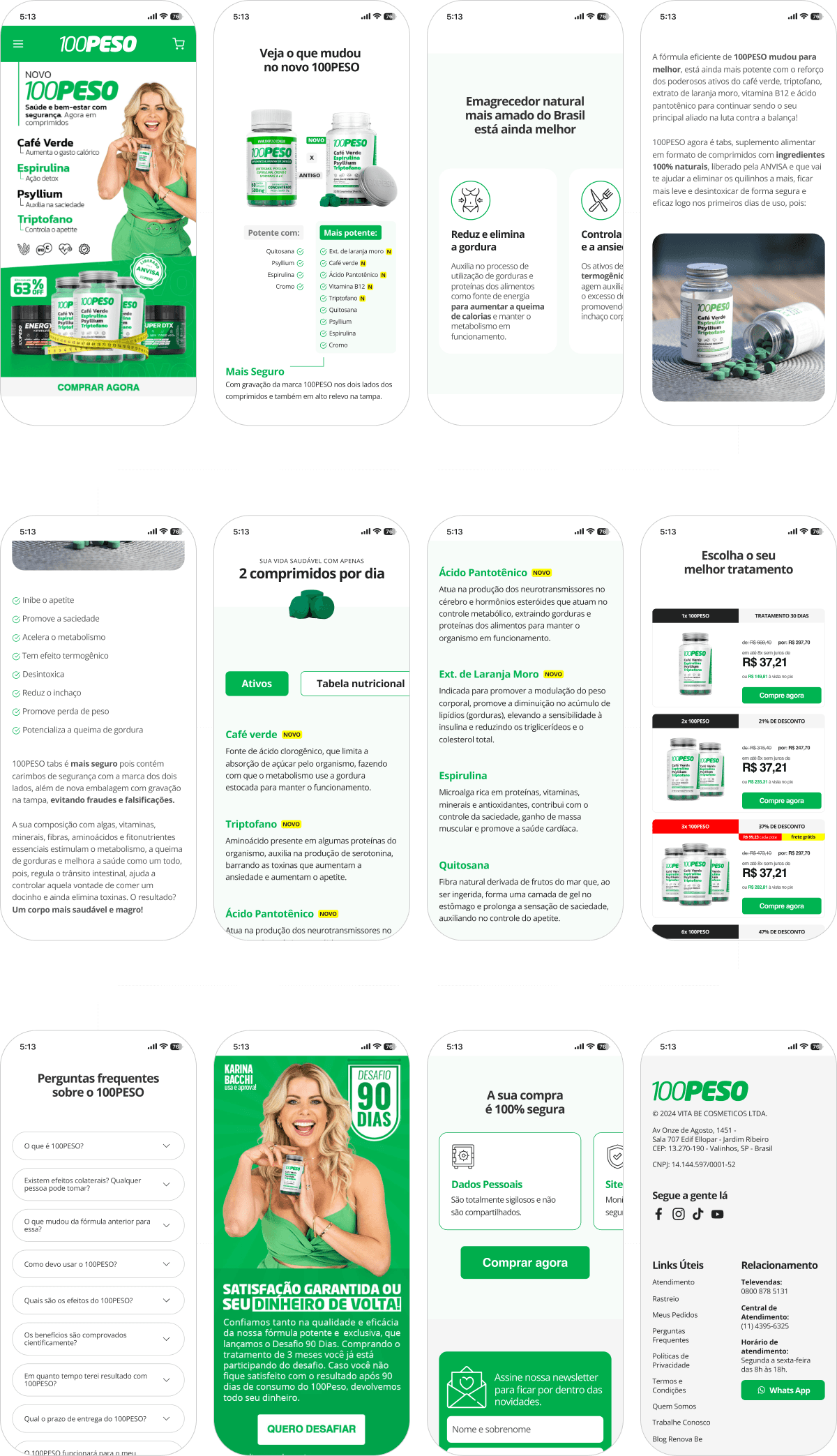
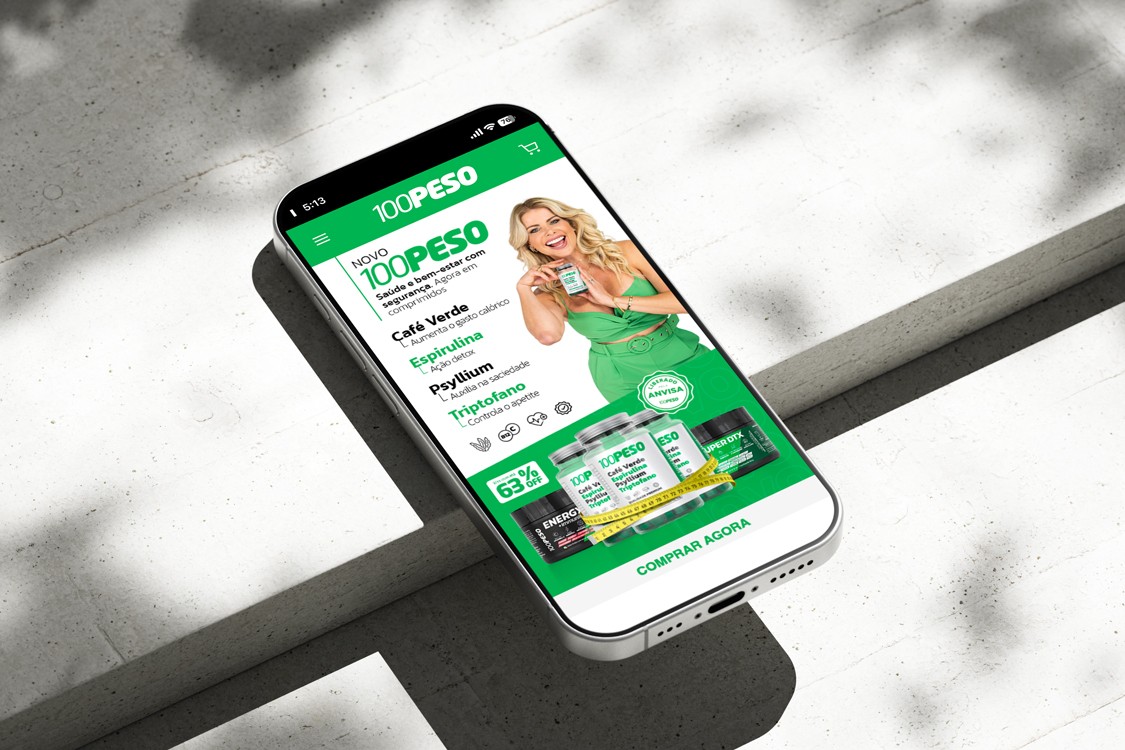
Mobile version of the new 100Peso landing page.
Results
Results were significant within a few months. Monthly revenue grew by over 400%. Conversion rate increased by 50%. Average order value increased by 10.5%. Monthly site traffic grew by 367%.
More important than the metrics was the shift in perception. 100PESO moved from being seen as just another supplement brand to being recognized as trustworthy, transparent, and focused on real outcomes.
+400%
Monthly revenue
+50%
Conversion rate
+11%
Average order value
+367%
Monthly sessions
Key Learnings
UX has a direct impact on trust, especially in sensitive markets. Interface, content, product, and strategy must work together to sustain credibility.
Honest communication leads to better decisions, lower frustration, and healthier long term growth.
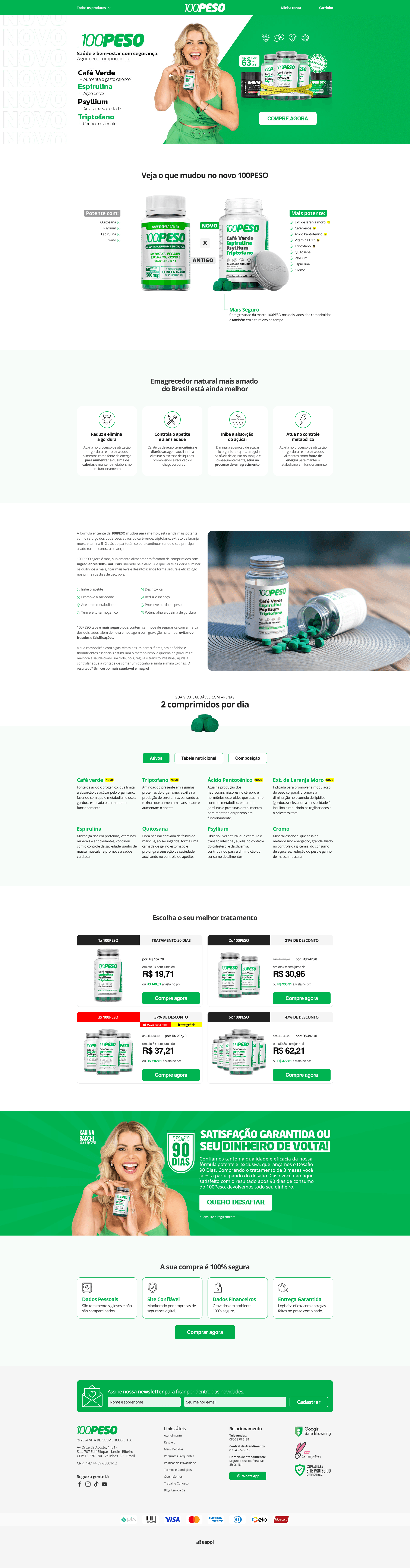
Desktop version of the new 100Peso landing page.